
Driveways That Drain Instead of Washing Out
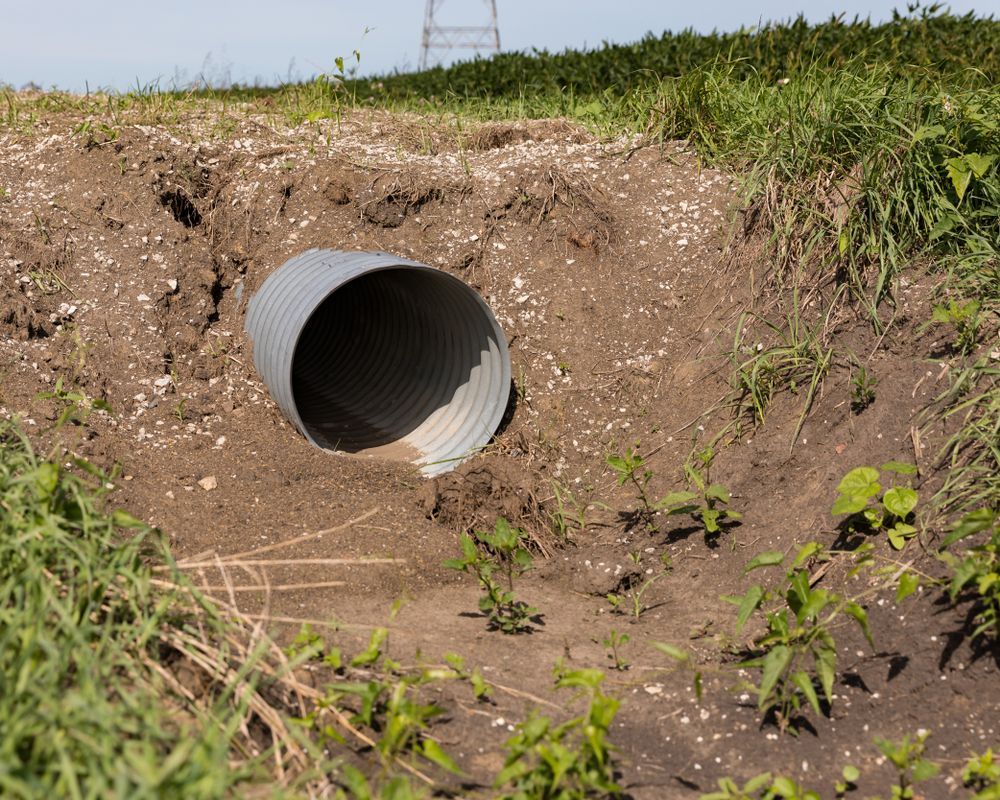
Culvert Installation in Jacksonville for improved drainage and property access
Water buildup that washes out driveway entrances, erosion that undercuts road edges, and impassable access routes during heavy rain all result from drainage that hasn't been properly channeled beneath roadways. Rock Hound Land and Construction Services, LLC installs culverts for driveways, private roads, and rural property access points in Jacksonville where East Texas rainfall patterns create concentrated runoff that exceeds what roadside ditches can handle without structured drainage. Proper grading and placement determine whether culverts continue functioning through seasonal weather changes or become clogged with sediment that redirects water over the road surface.
Installation involves excavating the crossing area to the depth required for the culvert, placing the pipe at a grade that maintains water flow without creating stagnant sections, and backfilling with material compacted to support vehicle loads without settling. Preventing erosion and water buildup requires matching culvert size to the watershed area that drains through that point, not just estimating based on ditch width.
Schedule a drainage assessment to identify culvert size and placement for your property access.
Why Proper Placement Works for Long-Term Durability
Culvert installation creates a permanent drainage path that handles runoff without washing out the road surface above it, using pipe diameter and length calculated based on the volume of water that flows through during peak rainfall events. Grading the approach on both sides ensures water enters and exits without creating standing pools that attract sediment buildup or cause erosion at the outlet.
After installation, you notice driveways that remain passable during storms, no washouts forming at the road edge, and water flowing beneath the crossing instead of over it. Work coordinates with driveway installation and excavation services to ensure the road base above the culvert is properly compacted and graded, preventing premature settling that creates low spots where water pools instead of draining.
Culvert projects include selecting pipe material based on expected load and soil acidity, determining whether headwalls or endwalls are needed to prevent erosion at inlet and outlet points, and verifying that the installed grade allows water to flow without intervention. Some installations require permits when they affect drainage patterns beyond your property boundary.
Common Questions About This Service
Clients preparing to install or replace culverts often have questions about sizing, materials, and how the work affects driveway construction.
What size culvert is needed for a residential driveway?
Culvert diameter depends on the size of the drainage area upstream, but most residential crossings use pipes between 15 and 24 inches to handle typical East Texas runoff without overtopping during heavy rain.
How does culvert placement affect driveway longevity?
Culverts installed too shallow settle as traffic compacts the covering material, while those placed without proper bedding shift position and create voids that collapse the roadway above.
What happens if the culvert becomes clogged?
Regular inspection and removal of debris from both ends prevents blockages, but culverts positioned at the correct grade generally self-clean as water flow carries sediment through rather than allowing it to settle.
Why is grading important on both sides of the culvert?
Proper approach grading directs water into the pipe inlet and prevents erosion at the outlet where high-velocity flow exits, which otherwise undercuts the surrounding soil.
When should culverts be replaced instead of cleaned?
Culverts showing rust-through, collapse, or significant settling require replacement, as partial repairs don't restore structural integrity or proper drainage capacity.
Rock Hound Land and Construction Services, LLC evaluates drainage conditions and recommends culvert specifications based on your property's specific runoff patterns. Request an installation quote that includes site-specific sizing and material recommendations.