
Water Features Designed for Property Use
Pond Construction in Jacksonville for drainage management and recreational water features
A well-constructed pond serves multiple purposes—managing runoff, providing recreational space, or increasing property value—but only when excavation, shaping, and water flow are planned correctly from the start. Properties in Jacksonville often benefit from ponds that capture seasonal runoff or create usable water features, and the work requires understanding soil conditions, watershed size, and how water will enter and leave the pond. Rock Hound Land and Construction Services, LLC designs and excavates ponds tailored to property layout and intended use, whether the goal is drainage control, livestock watering, or aesthetic enhancement.
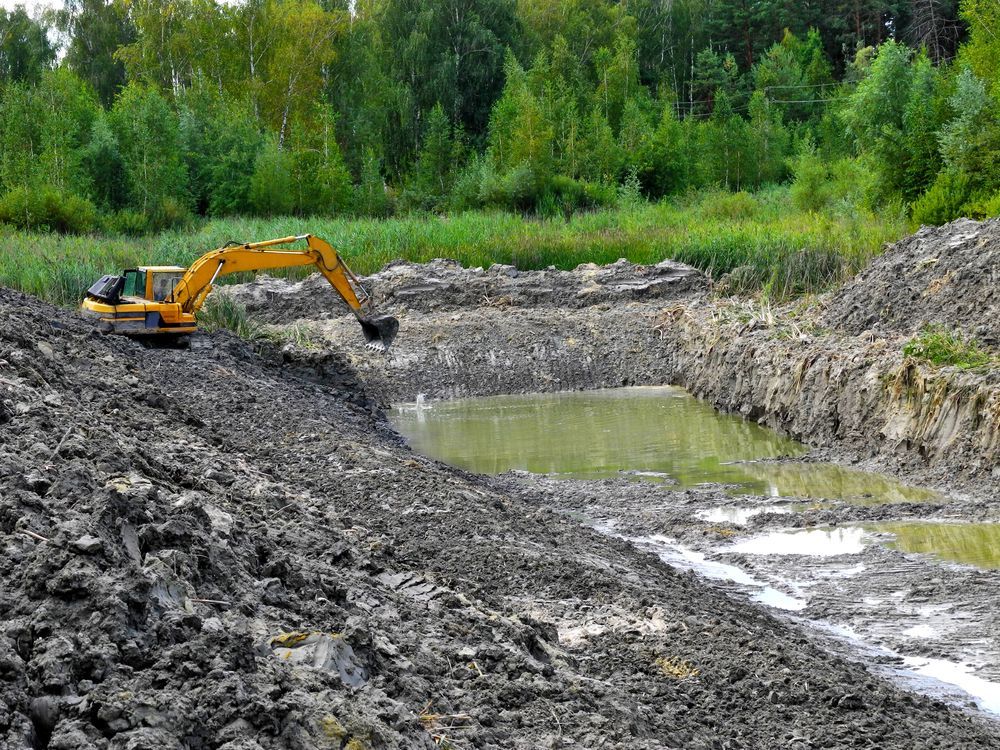
Pond construction involves excavating to appropriate depth, shaping banks to prevent erosion, grading the surrounding area to direct water into the pond correctly, and planning overflow routes so excess water exits safely. Soil type affects whether the pond will hold water naturally or requires additional sealing.
Schedule a property evaluation to assess site conditions and discuss custom pond design options that match your land and objectives.
Why Proper Planning Matters for Ponds
The pond's watershed—the area that drains into it—determines how much water it will receive and how quickly it fills, so construction begins with calculating runoff volume based on property slope and soil absorption rates. Excavation depth, bank slope, and spillway design all depend on whether the pond's primary purpose is holding water year-round, capturing storm runoff, or providing a specific water depth for recreational use.
Once construction finishes, the pond fills predictably during rain events without overflowing uncontrollably, banks remain stable instead of slumping into the water, and the basin holds water at consistent levels rather than draining unexpectedly. You'll also notice improved drainage across the property since runoff now has a designated destination rather than pooling in low areas or eroding other sections of land.
Pond projects sometimes include additional features like access ramps for livestock, fishing piers, or planted buffer zones depending on how the property owner intends to use the water feature. Some ponds also require periodic maintenance to manage sediment buildup or vegetation growth depending on watershed characteristics.
Questions Before Starting Your Project
Property owners considering pond construction want to know how the process works and what factors determine whether a pond will function as intended over time.
How do you determine the right size and depth for a pond?
Pond dimensions depend on the watershed area that drains into it, intended water uses, and whether the goal is year-round water retention or seasonal runoff capture, all of which are evaluated during site assessment.
Will the pond hold water naturally or does it need sealing?
Soil composition determines water retention—clay-heavy soils typically hold water well, while sandy or porous soils may require compacted clay lining or other sealing methods to prevent the pond from draining.
What happens to excess water during heavy storms?
Ponds are designed with spillways or overflow routes that direct excess water away safely so the pond doesn't overtop and erode the dam or surrounding property during high-volume rain events.
Can ponds be built on sloped terrain in Jacksonville?
Slopes actually work well for pond construction since the natural grade helps create the dam structure, though the design must account for water pressure against the embankment and ensure stable bank construction.
How long does pond construction typically take?
Timeline depends on pond size, soil conditions, and weather, but most residential or small agricultural ponds can be excavated and shaped within several days once site preparation is complete.
Rock Hound Land and Construction Services, LLC evaluates your property's topography, soil type, and drainage patterns to design ponds that function correctly and hold water reliably. Contact us for a site evaluation and project estimate tailored to your land conditions.