
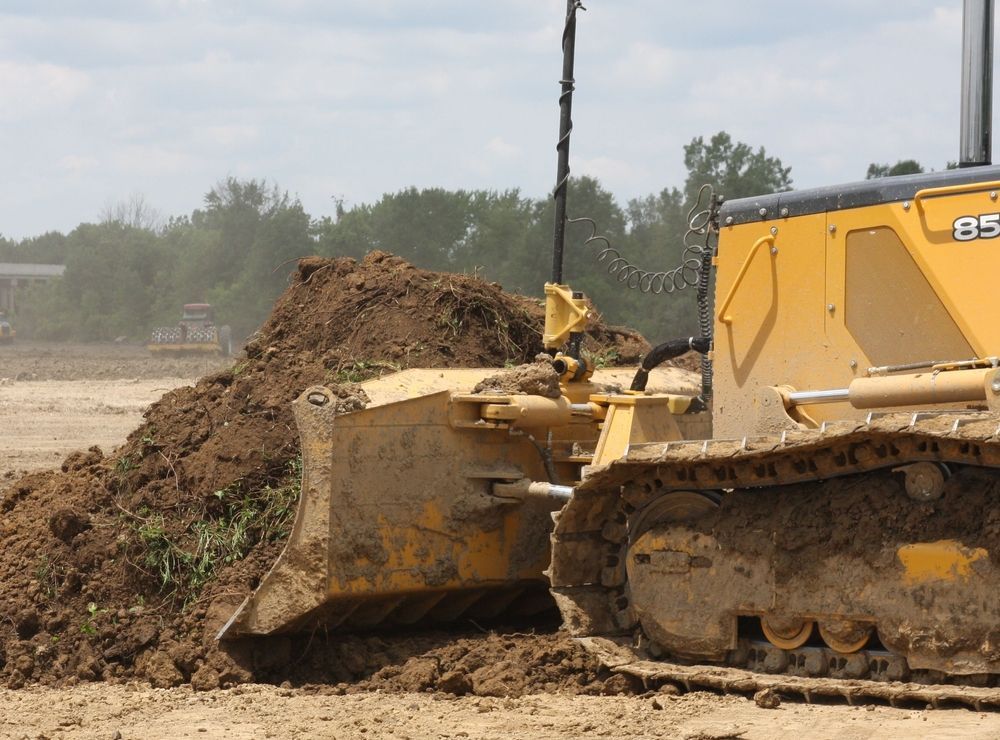
Ground Shaped to Support Long-Term Construction
Excavation in Jacksonville for foundation preparation, drainage improvements, and land reshaping
Foundation pads that remain level after settling, trenches that channel water away from structures, and building sites that don't collect runoff all depend on excavation work done with attention to soil compaction and drainage patterns. Rock Hound Land and Construction Services, LLC provides digging, trenching, grading, and foundation preparation for residential and rural properties in Jacksonville where soil composition varies between sandy loam and clay layers that behave differently under load. Precision equipment allows controlled removal of material without over-excavating or disturbing soil beyond the intended work area.
The process involves evaluating existing grades and drainage flow, removing material to specified depths, and shaping slopes that direct water toward intended drainage points. Varied terrain requires adjusting equipment and approach based on whether you're working with level pasture, sloped wooded areas, or previously disturbed ground with inconsistent compaction.
Arrange a project consultation to review terrain conditions and confirm excavation requirements for your build.
How Excavation Addresses Drainage and Foundation Needs
Proper excavation creates level bearing surfaces for foundations, trenches graded to specific slopes for drainage lines, and reshaped land that moves water away from structures instead of pooling against them. Equipment choice affects how cleanly soil can be removed and whether surrounding areas experience compaction from repeated passes, which matters when preserving existing vegetation or maintaining adjacent grades.
You notice finished excavation as level areas that don't collect standing water after rain, trenches with consistent depth and slope, and clean transitions between cut and uncut areas without loose soil piled against nearby structures. Work integrates with culvert installation and site preparation to create complete drainage solutions rather than isolated improvements that don't account for water movement across the entire property.
Excavation depth and width depend on what's being built, what soil conditions exist below the surface, and whether material removed from one area can be reused as fill in another location on the same property. Projects sometimes reveal unexpected subsurface conditions like rock layers or saturated soil that require adjustments to the original plan.
Answers to Frequent Service Questions
Understanding how excavation affects the rest of your project helps with planning timelines and coordinating other contractors.
What preparation is needed before excavation starts?
Property boundaries should be clearly marked, and underground utilities must be located through the appropriate notification service to prevent damage during digging.
How does soil type in Jacksonville affect excavation work?
Clay soils hold moisture and require more effort to excavate when wet, while sandy soils drain quickly but may need compaction testing before supporting foundations.
What happens to excavated material?
Material can be stockpiled on-site for later use as fill, spread to improve low areas, or hauled away if unsuitable for reuse or if site space is limited.
Why does grading matter for new construction?
Grading establishes drainage patterns that prevent water from flowing toward foundations and ensures site access roads remain passable during wet conditions.
When should excavation be scheduled relative to other project phases?
Excavation typically follows clearing and demolition but precedes foundation work, with timing adjusted based on weather forecasts to avoid working saturated ground.
Rock Hound Land and Construction Services, LLC coordinates excavation with related services to minimize disruption and keep projects on schedule. Request a timeline estimate based on your specific site conditions and project scope.